How to Make the Perfect Cup of Tea: A Beginner’s Guide
Making a comforting cup of tea is a simple pleasure, but mastering the art can elevate your daily ritual. Whether you prefer a quick tea bag brew or a more refined loose-leaf experience, understanding the basics of how to make tea ensures a flavorful and satisfying drink every time. This guide will walk you through the essential steps, from selecting your tea to achieving the perfect steep, ensuring a delicious cup tailored to your taste.
To make tea, heat fresh water to the correct temperature for your tea type, place your tea (bag or loose-leaf) into a mug or teapot, pour the hot water over it, and steep for the recommended time. Remove the tea, and customize with milk, sugar, or lemon as desired for a perfect, personalized brew.
Key Takeaways
- Always use fresh, cold water for the best-tasting tea, as previously boiled water can taste flat.
- Match water temperature and steeping time to the specific tea type (e.g., cooler water for green tea, hotter for black tea) to avoid bitterness or weak flavor.
- For loose-leaf tea, use an infuser or strainer, allowing leaves to expand fully for optimal flavor extraction.
- Avoid over-steeping, as it can release excessive tannins, leading to a bitter taste, especially with black and green teas.
- Customize your tea with milk, sugar, honey, or lemon after steeping to taste, enhancing the flavor without compromising the brew.
What Do You Need to Make a Great Cup of Tea?
To make a great cup of tea, you’ll need just a few essential items: quality tea, fresh water, a kettle, and a mug or teapot. While the basic setup is simple, a few optional tools can significantly enhance your brewing experience.
First, let’s talk about the stars of the show.
The Essentials for Brewing Tea
- Tea: This might seem obvious, but the type and quality of your tea make a huge difference. You can choose between convenient tea bags or more flavorful loose-leaf tea. Loose-leaf often provides a richer, more nuanced taste because the leaves have more room to expand and release their full flavor.
- Fresh, Cold Water: Never underestimate the importance of good water. Start with fresh, cold water, ideally filtered. This prevents any off-flavors from tap water chemicals or stale water from affecting your tea’s taste. After water, tea is the second most widely consumed beverage globally, so good water is crucial for a good brew.
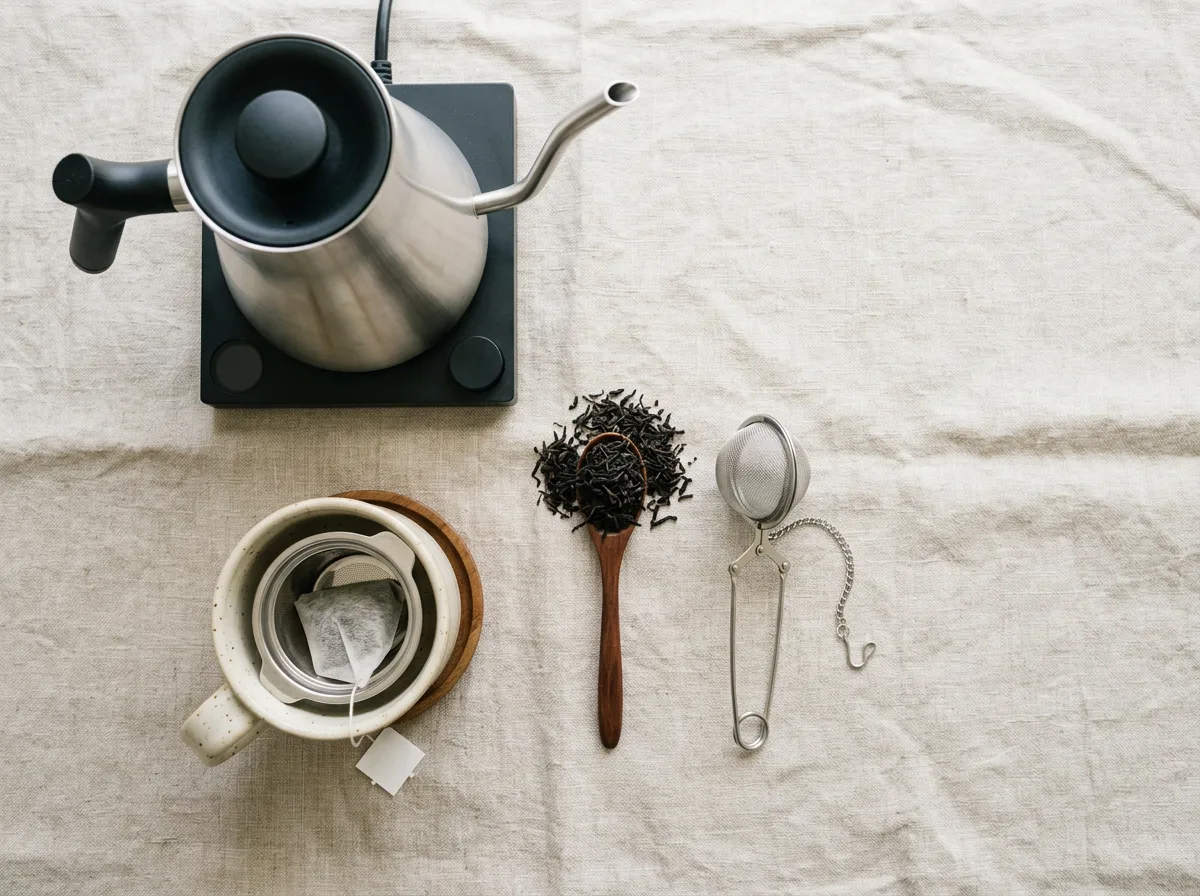
- Kettle: Whether it’s an electric kettle for speed and convenience or a classic stovetop kettle, you’ll need something to heat your water. Electric kettles with temperature control are fantastic for specific tea types, like green tea, which requires water below boiling to avoid bitterness. For instance, green tea typically brews best between 175-185°F (80-85°C).
- Mug or Teapot: A comfortable mug is perfect for a single serving. If you’re brewing for more than one or want several cups for yourself, a teapot is ideal. Make sure it’s clean so no residual flavors interfere with your fresh brew.
Optional Tools for the Perfect Brew
These additions aren’t strictly necessary but can elevate your tea-making to an art form.
- Tea Infuser or Strainer: If you’re using loose-leaf tea, an infuser or strainer is non-negotiable. Infusers come in various shapes and sizes, from mesh balls to basket-style strainers that sit in your mug or teapot. A fine-mesh strainer is also great for catching any small leaf particles after brewing.
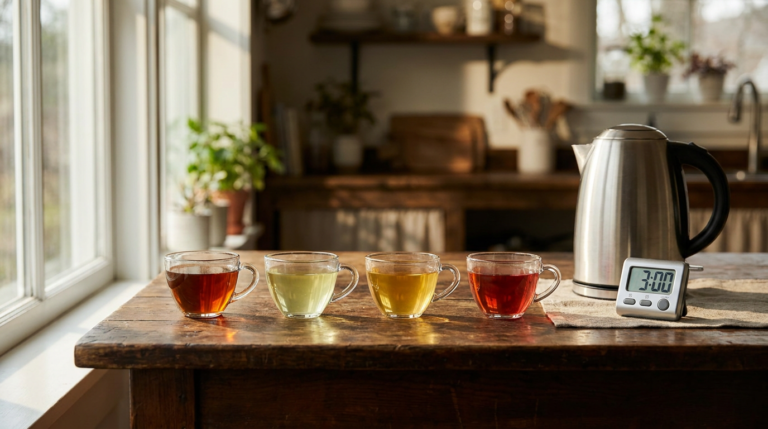
- Timer: Steeping time is critical. Over-steeping can lead to bitterness, especially with black or green teas, while under-steeping results in a weak, flavorless brew. A simple kitchen timer or even your phone’s timer can help you hit that sweet spot.
- Thermometer: For serious tea enthusiasts, a thermometer ensures you’re hitting the exact water temperature for delicate teas like green or white tea. As mentioned, green tea benefits from water that’s not quite boiling, around 175-185°F (80-85°C), to prevent a bitter taste. Many electric kettles now have built-in temperature settings, which are super handy.
How to Make Tea with a Tea Bag: A Simple Step-by-Step Guide
Making tea with a tea bag is straightforward and quick, perfect for your daily brew. You’ll start by heating fresh water, then steep your tea bag in a mug for the recommended time before removing it and adding any desired enhancements like milk or sweetener.
Ready to make your first perfect cup? Follow these simple steps:
1. Boil Fresh, Cold Water
Always begin with fresh, cold water. Why? Because cold water contains more oxygen, which helps to extract the full flavor from the tea leaves. Fill your kettle with just the amount of water you need for your cup or pot. Bring it to a rolling boil.
2. Place Your Tea Bag in a Mug
While your water is heating, place one tea bag into your favorite mug. If you’re using a larger mug, you might consider two tea bags for a stronger flavor, but one is usually sufficient for a standard 8-10 ounce cup.
3. Pour Hot Water Over the Tea Bag
Once the water reaches a boil, immediately pour it over the tea bag in your mug. For most black teas, herbal teas, and oolongs, boiling water is ideal. However, if you’re brewing green tea, let the water cool slightly for about 30 seconds to a minute after boiling. Green tea brews best with water between 175-185°F (80-85°C) to prevent a bitter taste.
4. Steep for the Recommended Time
Steeping is where the magic happens, as the tea leaves release their flavors and aromas. The ideal steeping time varies by tea type:
- Black Tea: 3-5 minutes
- Green Tea: 2-3 minutes
- Herbal Tea: 5-7 minutes (or longer for a stronger infusion)
Don’t rush this step. Use a timer if you need to; it makes a real difference in flavor.
5. Remove the Tea Bag (Don’t Squeeze!)
Once your tea has steeped to your liking, gently remove the tea bag from the mug. Resist the urge to squeeze it against the side of the mug. Squeezing releases bitter tannins, which can make your tea taste astringent and unpleasant.
6. Customize Your Cup
Now for the fun part: making it your own! You can enjoy your tea plain, or add milk, cream, sugar, honey, or a slice of lemon. A little honey can be particularly soothing, especially with herbal teas. Experiment to find your perfect combination.
Brewing Loose-Leaf Tea: For a Richer Flavor Experience
Brewing loose-leaf tea offers a more nuanced and richer flavor profile than tea bags because the larger leaves have more space to unfurl and release their full characteristics. To brew, you’ll heat water to the correct temperature, pre-warm your vessel, add the appropriate amount of tea, steep, and then strain before enjoying.
Ready to get started? Here’s how to brew a fantastic cup of loose-leaf tea:
1. Heat Your Water to the Right Temperature
Water temperature is critical for extracting the best flavor from your tea leaves. Boiling water (212°F or 100°C) is generally ideal for black teas and many herbal infusions. However, more delicate teas like green tea require cooler water to prevent bitterness. Aim for 175-185°F (80-85°C) when brewing green tea. An electric kettle with temperature control is a great tool, or you can simply let boiling water sit for a minute or two to cool slightly for green teas.
2. Pre-Warm Your Teapot or Mug
Don’t skip this step! Pour a small amount of hot water into your teapot or mug, swirl it around, and then discard it. This simple action helps maintain the brewing temperature, ensuring your tea steeps evenly and stays warm longer. Think of it like preheating an oven for baking.
3. Add Your Loose-Leaf Tea
As a general rule, use about one teaspoon of loose-leaf tea per 8 ounces (one cup) of water. However, this can vary based on the tea’s density and your personal preference for strength. Some teas, like fluffy white teas, might require a bit more, while very potent black teas might need slightly less. Feel free to adjust after your first brew.
4. Choose Your Brewing Method
You have a couple of options here:
- Tea Infuser: This is the most common method. Place your measured loose-leaf tea into a mesh infuser, tea ball, or basket. Make sure the infuser is large enough for the leaves to expand fully. Then, place the infuser into your pre-warmed mug or teapot.
- Directly in the Teapot: For a more traditional approach, especially with larger teapots, you can add the loose leaves directly into the pot. This allows maximum space for the leaves to unfurl, often leading to a superior brew. You’ll strain the leaves later.
5. Pour Hot Water Over the Leaves
Carefully pour the temperature-appropriate hot water over the tea leaves or infuser. If you’re using an infuser, ensure the leaves are fully submerged. If brewing directly in a teapot, give the pot a gentle swirl to ensure all leaves are wet.
6. Steep for the Recommended Time
Steeping time is just as important as water temperature. Over-steeping can lead to a bitter, astringent taste, especially with black and green teas, while under-steeping results in a weak, flavorless brew. Most teas come with recommended steeping times, but here are some general guidelines:
- Green Tea: 1-3 minutes
- White Tea: 2-4 minutes
- Oolong Tea: 3-5 minutes
- Black Tea: 3-5 minutes
- Herbal Infusions (Tisanes): 5-7 minutes (or longer, as they don’t typically get bitter)
Set a timer! It makes a big difference.
7. Strain the Leaves (If Not Using an Infuser)
If you brewed your tea directly in the teapot, carefully pour the brewed tea through a fine-mesh strainer into your serving cup. This separates the spent leaves from your delicious beverage. If you used an infuser, simply remove it from your cup or pot.
8. Serve and Enjoy
Your perfectly brewed loose-leaf tea is ready! You can enjoy it plain, or add milk, sugar, honey, or a slice of lemon to taste. Savor the rich, complex flavors that only loose-leaf tea can provide.
The Science of Steeping: Water Temperature and Time for Every Tea
To make the perfect cup of tea, you’ll need to pay close attention to water temperature and steeping time, as these two factors are crucial for extracting optimal flavor from your tea leaves. Different types of tea require specific conditions to prevent bitterness or a weak, watery brew.
Think of steeping as a delicate dance between the water and the tea leaves. Too hot, and you risk scalding delicate leaves, leading to a harsh, bitter taste. Too cool, and the flavors won’t fully develop. Similarly, steeping for too long can over-extract tannins, making your tea astringent, while too short a time leaves you with a barely-there flavor.
Why Temperature Matters So Much
Each tea type has its own ideal temperature range. Black teas, for example, are robust and generally benefit from boiling water, which helps release their full-bodied flavor. Green and white teas, however, are far more delicate. Brewing them with water that’s too hot will essentially ‘cook’ the leaves, resulting in a bitter, unpleasant taste. For green tea, aim for water between 160-180°F (71-82°C) to get that sweet, grassy, or nutty profile without the bitterness.
An instant-read thermometer is your best friend here, especially when you’re just starting out. Many electric kettles also come with temperature presets, which can be incredibly helpful for precision.
Finding the Right Steeping Time
Steeping time directly impacts the strength and flavor profile of your tea. It’s not just about avoiding bitterness; it’s also about achieving the desired intensity. A strong cup of black tea might steep for 4-5 minutes, while a lighter green tea could be perfect in just 1-2 minutes.
Always follow the recommendations for your specific tea, but don’t be afraid to experiment a little. If you prefer a stronger brew, add a few extra seconds. If you find it too intense, reduce the time slightly next time. Just remember that once you remove the leaves, the steeping process stops, so don’t leave them in too long if you’re sensitive to bitterness.
A Quick Guide to Tea Steeping
| Tea Type | Water Temperature | Steeping Time |
|---|---|---|
| Black Tea | 200-212°F (93-100°C) | 3-5 minutes |
| Green Tea | 160-180°F (71-82°C) | 1-3 minutes |
| White Tea | 150-175°F (65-79°C) | 2-4 minutes |
| Oolong Tea | 180-200°F (82-93°C) | 2-5 minutes |
| Herbal/Tisane | 212°F (100°C) | 5-7+ minutes |
Customizing Your Brew: Milk, Sweeteners, and Flavor Enhancers
Once your tea has steeped to your liking, you can personalize it with milk, sweeteners, or other flavor enhancers. The key is to add these after brewing to maintain optimal steeping conditions and prevent unwanted reactions.
Adding Milk and Creamers
Adding milk, whether dairy or a non-dairy alternative like oat or almond milk, is a popular way to enrich your tea. Always add milk after the tea has finished steeping. If you add cold milk too early, it can drop the water temperature significantly, hindering proper flavor extraction from the tea leaves. This can result in a weaker, less satisfying brew.
Sweetening Your Tea
Sweeteners like sugar, honey, agave nectar, or artificial sweeteners should also be added after your tea has brewed. This allows you to taste the tea’s natural flavor first and then adjust the sweetness precisely to your preference. Stir thoroughly to dissolve the sweetener evenly.
Flavor Enhancers and Spices
Beyond milk and sugar, you have many options to enhance your tea’s flavor:
- Lemon or Other Citrus: A slice or squeeze of lemon, lime, or orange can add a bright, zesty note to your tea. However, be aware that citrus can cause milk to curdle. If you enjoy milk in your tea, it’s best to skip the lemon.
- Spices: For a warming, aromatic brew, consider adding whole spices during the steeping process. Cinnamon sticks, cardamom pods, fresh ginger slices, or a few cloves can infuse your tea with delightful complexity. Add them to your infuser or directly into the teapot along with your tea leaves.
- Herbs: Fresh mint leaves or a sprig of rosemary can also be added during steeping for a refreshing twist.
Experiment with different combinations to discover your favorite personalized cup. There’s no single “right” way to enjoy tea; it’s all about what tastes best to you.
Common Tea-Making Mistakes to Avoid
Even experienced tea drinkers can sometimes make mistakes that compromise their brew. Avoiding these common pitfalls will significantly improve the taste and quality of your cup.
Using Stale or Re-boiled Water
Always start with fresh, cold water. Re-boiling water depletes it of oxygen, which can make your tea taste flat and dull. Fresh water, on the other hand, allows the tea leaves to unfurl properly and release their full flavor.
Over-Steeping Your Tea
Leaving your tea in the water for too long is a common culprit for bitterness. Over-steeping releases excessive tannins, especially from black teas, resulting in an astringent, unpleasant taste. Follow recommended steeping times for each tea type; you can always steep a little longer if you prefer a stronger cup, but you can’t undo bitterness.
Using Boiling Water for Delicate Teas
Not all teas are created equal, and neither are their ideal brewing temperatures. Delicate teas like green and white teas can be
Exploring Tea Varieties: A Quick Guide
Understanding different tea varieties is the first step to brewing a perfect cup, as each type requires specific brewing conditions to bring out its best flavor. The primary distinction among teas comes from how the leaves of the Camellia sinensis plant are processed, particularly their oxidation level.
What’s the Difference Between Black, Green, White, and Oolong Tea?
All true teas—black, green, white, and oolong—originate from the Camellia sinensis plant. The processing methods, especially the degree of oxidation, create their unique characteristics. Oxidation is a natural chemical reaction that occurs when tea leaves are exposed to air after being picked, changing their color, aroma, and flavor.
-
Black Tea: This is a fully oxidized tea, giving it a robust, often malty or fruity flavor and a dark liquor. Popular examples include Earl Grey, known for its bergamot oil, and Assam, famous for its strong, malty taste. Black tea generally has a high caffeine content. In fact, a 2022 study highlighted potential health benefits, finding that regular black tea drinkers had a lower mortality risk.
-
Green Tea: Minimally oxidized, green tea retains more of its natural green color and fresh, sometimes grassy or vegetal notes. Sencha and Matcha are well-known green teas. To avoid bitterness, you should brew green tea with water between 175-185°F (80-85°C), not boiling. It contains a moderate amount of caffeine.
-
White Tea: The least processed of all true teas, white tea is simply withered and dried, resulting in a delicate, sweet, and often floral flavor profile. Silver Needle is a premium example. White tea has the lowest caffeine content among true teas.
-
Oolong Tea: This tea falls between green and black tea in terms of oxidation, making it partially oxidized. Oolong teas offer a complex range of flavors, from floral and sweet to toasty and creamy, depending on the specific processing. Tie Guan Yin is a famous oolong. Its caffeine level is moderate.
What About Herbal Teas?
Herbal teas, also called tisanes, are not true teas because they don’t come from the Camellia sinensis plant. Instead, they are infusions made from fruits, flowers, herbs, or spices. Common examples include chamomile, peppermint, and rooibos. Since they don’t contain tea leaves, herbal teas are naturally caffeine-free. Their flavor profiles are incredibly diverse, reflecting the ingredients used.
Understanding these core differences will help you choose the right tea for your mood and know how to brew it correctly for the best experience. Each type offers a unique journey for your palate. Here’s a quick overview:
| Tea Type | Oxidation Level | Flavor Profile | Caffeine Level |
|---|---|---|---|
| Black Tea | Fully Oxidized | Bold, Malty, Fruity | High |
| Green Tea | Minimally Oxidized | Grassy, Vegetal, Umami | Moderate |
| White Tea | Unoxidized | Delicate, Sweet, Floral | Low |
| Oolong Tea | Partially Oxidized | Floral, Toasty, Creamy | Moderate |
| Herbal Tea | N/A (Not Tea) | Varies (Fruity, Minty, Earthy) | None |
Beyond Hot: How to Make Iced Tea and Cold Brew
You can enjoy tea beyond a hot mug by preparing it as refreshing iced tea or smooth cold brew. Both methods offer a delightful way to experience your favorite teas, especially when the weather warms up.
How to Make Iced Tea (Hot Brew Method)
Making iced tea from hot brew is straightforward: you simply brew a concentrated batch of hot tea, then cool it down and serve it over ice. This method is quick and delivers a robust flavor.
Here’s how to do it:
- Brew a Strong Concentrate: Use about twice the amount of tea leaves or tea bags you’d typically use for a hot cup. For example, if you usually use one tea bag per 8 ounces of water, use two tea bags for that same amount. Brew with hot water, following the recommended temperature and steeping times for your specific tea type. This strong brew ensures your iced tea won’t taste watered down when the ice melts.
- Sweeten (Optional): If you like your iced tea sweet, add sugar or honey while the tea is still hot. This helps the sweetener dissolve completely. You can also make a simple syrup (equal parts sugar and water, heated until dissolved) to add later.
- Cool Down: Let the tea cool to room temperature. You can speed this up by placing the hot tea pitcher in an ice bath. Avoid putting hot tea directly into the refrigerator, as it can raise the internal temperature of your fridge and affect other foods.
- Serve Over Ice: Once cooled, pour the concentrated tea over a glass full of ice. Garnish with lemon slices, mint, or fresh berries for an extra touch.
How to Make Cold Brew Tea
Cold brewing tea involves steeping tea leaves in cold water over an extended period. This gentle extraction method yields a tea with a naturally sweeter, smoother flavor and significantly less bitterness or astringency compared to hot brewing.
Here’s how to make perfect cold brew tea:
- Combine Tea and Cold Water: For every 8 ounces of cold water, use about 1-2 teaspoons of loose-leaf tea or one tea bag. Place the tea in a pitcher or jar. Filtered water often gives the best results.
- Steep in the Refrigerator: Cover the container and place it in the refrigerator. The steeping time varies depending on the type of tea and your desired strength:
- Green or White Tea: 6-8 hours
- Oolong Tea: 8-10 hours
- Black or Herbal Tea: 10-12 hours (or even overnight)
- Strain and Serve: Once steeped, remove the tea bags or strain out the loose-leaf tea leaves. Your cold brew is now ready to drink. It’s fantastic on its own, or you can add ice, a slice of citrus, or a touch of sweetener if you prefer. Cold brew tea can be stored in the refrigerator for up to 3-5 days.
Frequently Asked Questions
What is the proper way to make a cup of tea?
To make a proper cup of tea, heat fresh water to the correct temperature for your tea type, steep your tea bag or loose-leaf tea in a mug or teapot, pour hot water over it, and steep for the recommended time before removing the tea.
How long should you let tea steep?
Steeping time varies by tea type: black tea typically steeps for 3-5 minutes, green tea for 2-3 minutes, and herbal tea for 5-7 minutes or longer for a stronger infusion.
Should you put milk in tea before or after water?
You should add milk to tea after the water and after the tea has steeped and the tea bag or infuser has been removed, allowing you to control the strength and flavor of your brew.
What is the best water temperature for tea?
The best water temperature for tea depends on the type: black and herbal teas generally use boiling water (212°F/100°C), while green and white teas prefer cooler water, around 175-185°F (80-85°C), to prevent bitterness.
Do you put the tea bag in before or after the water?
You should place the tea bag into your mug or teapot before pouring the hot water over it to allow for proper steeping and flavor extraction.
How do you make tea taste better?
To make tea taste better, use fresh, cold water, match the water temperature and steeping time to the tea type, avoid over-steeping, and customize with additions like milk, sugar, honey, or lemon after brewing.
Is it OK to squeeze a tea bag?
No, it is generally not recommended to squeeze a tea bag, as this can release bitter tannins and make your tea taste astringent and unpleasant.